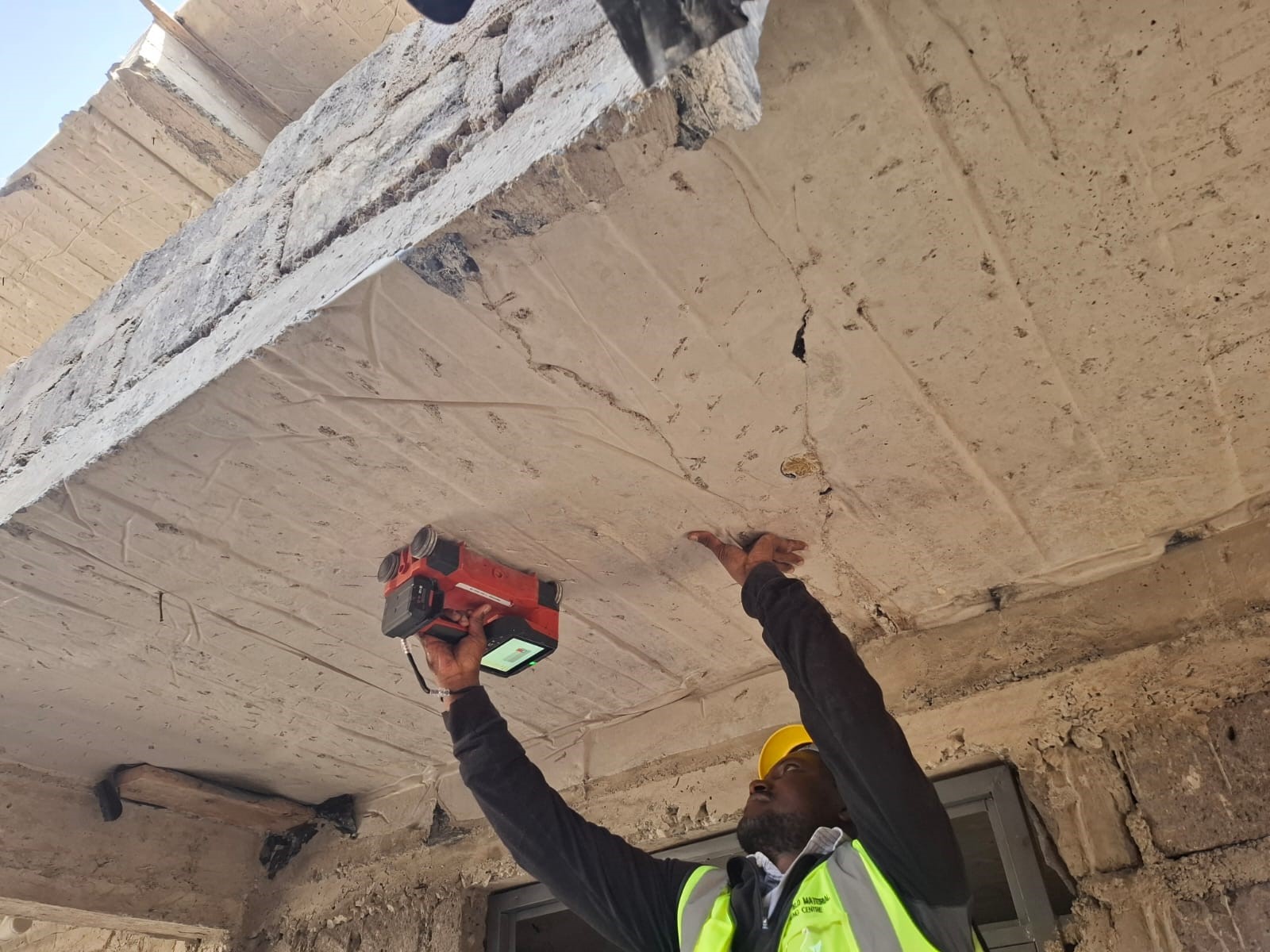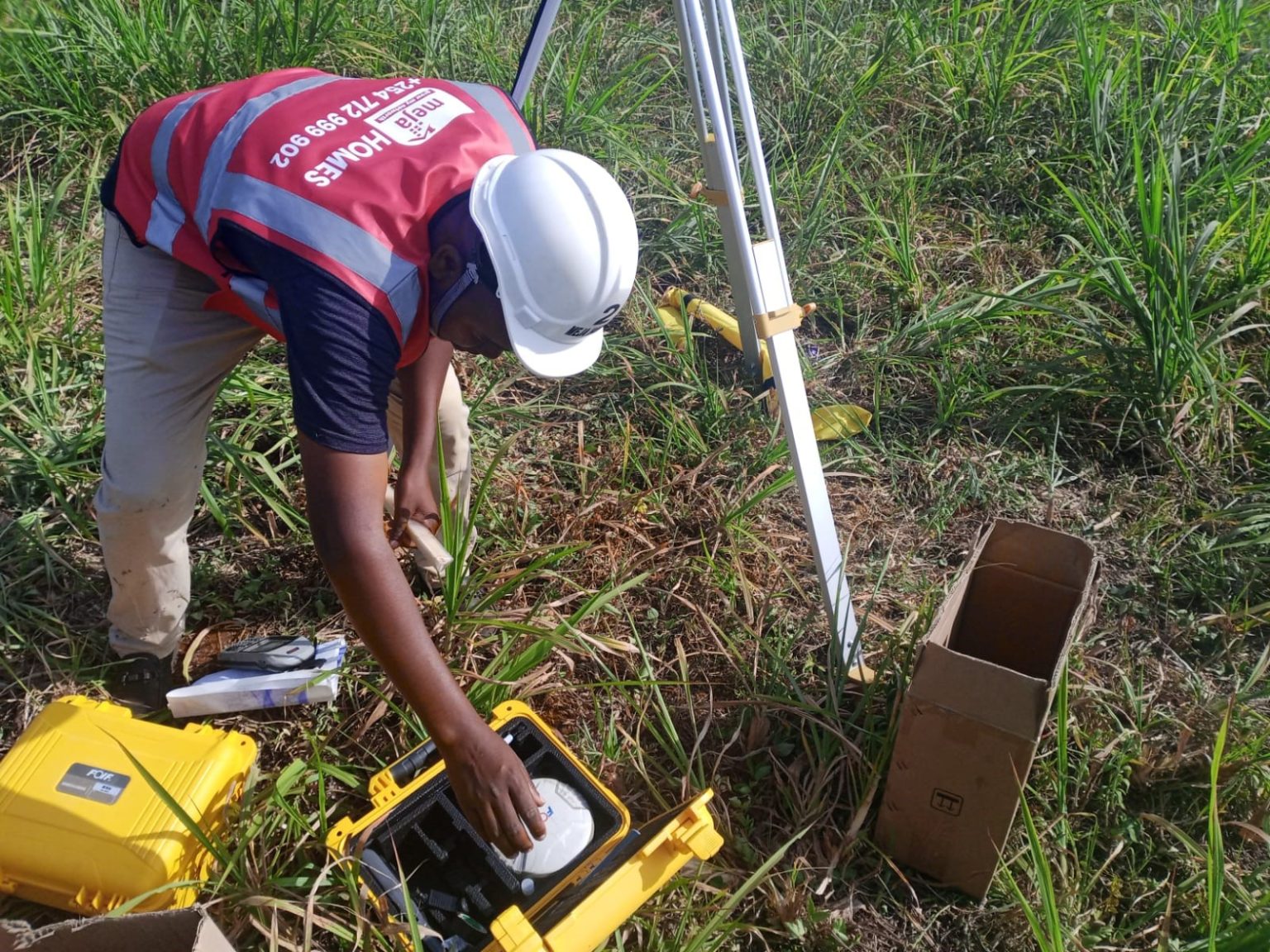
Why Material Testing Is Critical for Successful Construction Projects
In every construction project, the quality of materials directly affects the strength, durability, and safety of the final structure. Using substandard materials can lead to structural failures, costly repairs, and serious safety risks. That is why material testing is an essential part of modern construction and infrastructure development.
At Meijer & Associates, we provide professional material testing and laboratory services to ensure construction materials meet the required engineering standards and project specifications.

What Is Material Testing?
Material testing involves analyzing construction materials to determine their physical and mechanical properties. These tests help engineers and contractors verify whether materials are suitable for use in a project.
Common materials tested include:
- Concrete
- Soil
- Aggregates
- Steel
- Asphalt
- Water used in construction
Testing is carried out in controlled laboratory conditions using industry-approved methods and equipment.
Why Material Testing Matters
1. Ensures Structural Strength and Safety
Every structure relies on strong and reliable materials. Testing confirms that materials can withstand expected loads, environmental conditions, and long-term use.
2. Prevents Construction Defects
Poor-quality materials can cause cracks, settlement, corrosion, and premature deterioration. Early testing helps identify issues before construction progresses.
3. Supports Compliance with Standards
Construction projects must comply with local and international engineering standards. Material testing ensures that all materials meet the required specifications and regulations.
4. Reduces Long-Term Costs
Detecting material problems early helps avoid expensive repairs, project delays, and future maintenance costs.
5. Improves Project Quality Control
Routine testing throughout the construction process helps maintain consistency and high workmanship standards.
Common Construction Material Tests
Concrete Testing
Concrete is tested for compressive strength, workability, durability, and curing performance to ensure it meets design requirements.
Soil Testing
Soil investigations help determine bearing capacity, compaction, moisture content, and foundation suitability.
Steel Testing
Steel materials are tested for tensile strength, flexibility, and structural integrity.
Aggregate Testing
Aggregates are examined for grading, strength, cleanliness, and durability before use in concrete or road construction.
The Role of Professional Laboratory Services
Accurate testing requires qualified professionals, calibrated equipment, and reliable reporting procedures. Professional laboratory services provide engineers and project stakeholders with trustworthy data for informed decision-making.
At Meijer & Associates, our testing and laboratory services are designed to support safe, efficient, and high-quality construction projects across Kenya.
Why Choose Meijer & Associates?
Meijer & Associates combines technical expertise, modern laboratory capabilities, and practical engineering experience to deliver dependable testing solutions. We work closely with developers, contractors, consultants, and government agencies to ensure every project meets the highest standards of quality and safety.
Conclusion
Material testing is not just a technical requirement — it is a critical investment in the safety, durability, and success of any construction project. Reliable testing helps prevent costly failures, supports compliance, and improves overall project performance.
If you are planning a construction or infrastructure project in Kenya, Meijer & Associates is ready to provide trusted material testing and engineering consultancy services tailored to your project needs.